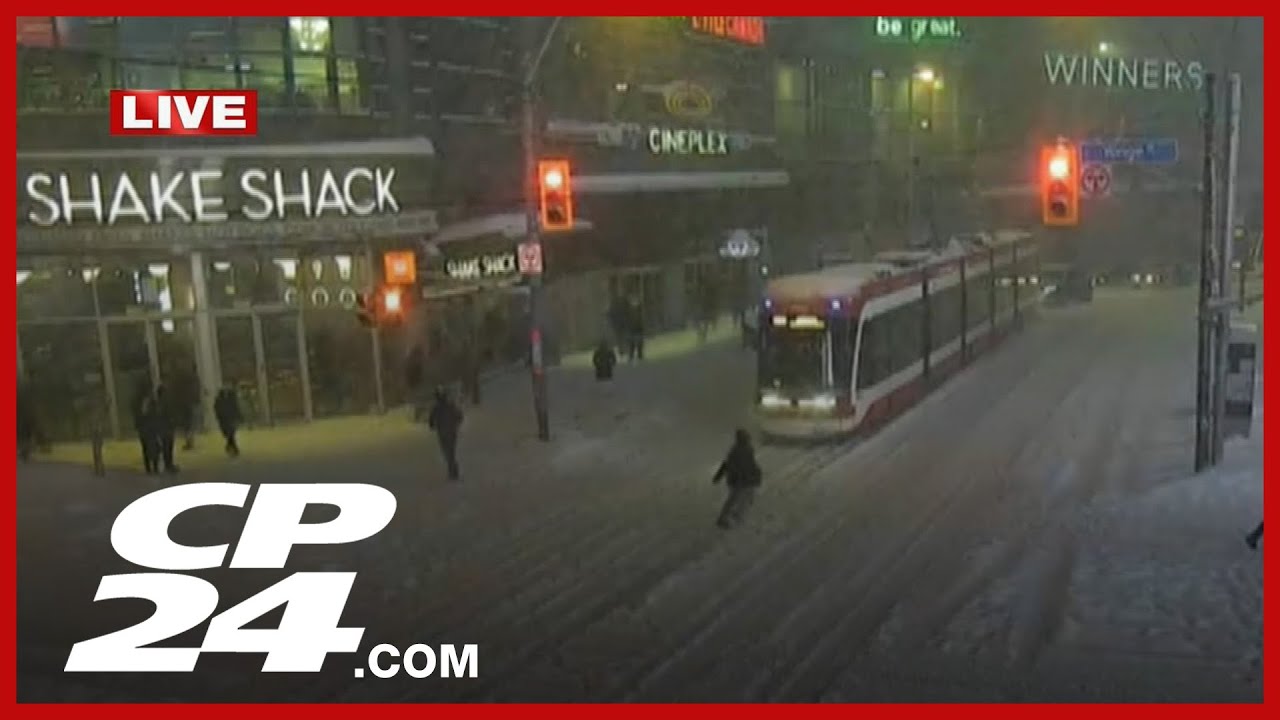
Major Winter Weather Disrupts Transit in the City
As winter weather conditions continue to challenge urban transit systems, significant disruptions have been reported across multiple lines in the Toronto Transit Commission (TTC). Heavy snow and ice accumulation led to shutdowns on Line 1, Line 2, and the Finch West LRT, causing major delays for commuters today. Adrian Grundy, head of corporate communications at the TTC, provided an update on the situation during an interview.
The impact of the storm is evident, with line service severely affected. "We are seeing a great deal more pressure on the network as the snow continues to fall and accumulate," Grundy noted.
Specific Line Disruptions
Currently, operators have implemented turnbacks on Line 1 between St. Clair West and Shepherd West stations and between Lawrence and St. Clair due to accumulating snow in open cut areas. Over on Line 2, shuttle buses are now substituting service between Woodbine and Kennedy, although these buses are also experiencing delays in navigating through the snow-covered roads.
One of the most significant closures involves the Finch West LRT, which has been completely shut down for the remainder of the day. Shuttle buses are replacing this service, a decision made following the realization that conditions would not allow for safe train operation.
Efforts for Restoration
Despite the challenges, TTC is actively working to restore service. "We are deploying diesel-powered locomotives to these areas with snow-clearing capabilities," Grundy explained. The goal is to run trains whenever possible; this strategy will help clear the tracks and prepare for tomorrow’s service. "The more we run trains, the clearer the tracks becomes," he emphasized. Trains will be stored in the tunnels overnight to avoid the added difficulty of navigating through the snow in the morning.
When asked whether the suspension would last through the evening and into the night, Grundy confirmed that the lack of service in open-air areas would likely persist for some time. The TTC is committed to ensuring that the situation improves as quickly as conditions allow.
Surface Routes Maintaining Frequency
Despite the significant disruptions in subway service, surface routes—such as buses and streetcars—have held up reasonably well. Grundy highlighted the efforts of the streetcar crews who have been working diligently to keep service running. Their tasks include de-icing overhead power lines and carefully digging out switches buried under snow.
"Operators are literally working in the snow to ensure that service continues," he remarked. Though some diversions are in place due to collisions and blocked tracks, the overall performance of the surface network has been commendable in adverse conditions.
Forward Planning and Safety Priorities
Looking ahead, the recovery of the Finch West LRT route will depend significantly on the effectiveness of overnight snow removal and the maintenance of switches. Managers are collaborating closely with Metro Links, the line’s maintainer, to guarantee that service resumes smoothly tomorrow.
"The safety of our customers and employees is our top priority," Grundy stressed, ensuring that TTC will only operate services deemed safe. This commitment extends not only to the subway lines but also across the surface network, where diversions are already in effect on several bus routes like the 7 Baurst and 100 Flemington Park.
GO Transit Adjustments
In addition to TTC, GO Transit is also adapting its services to accommodate the winter storm conditions. Riders are encouraged to consult updated schedules on the GO Transit website. The Kitchener line currently operates on an hourly basis, while service on the Lakeshore West line is disrupted with no trains running between Oakville and Mimico due to track work.
Conclusion
As the city navigates through this winter storm, it’s evident that transit services are doing their best to manage the challenges posed by severe weather. While delays and diversions are unavoidable, the unwavering commitment to safety and service will help commuters adjust to the current conditions.